Happy New Year!
How is everyone doing out there? I’m doing well. Keeping busy as always. I’m working on a handful of projects between my personal writing and publishing projects for Dark Forest Press including fresh edits on a handful of short stories for my own collection coming out in 2026. Busy busy.
Today, I will cover the best advice for any writer just starting on their writing journey. But I will get to that down below.
Before that I have a little bit of due diligence to get out of the way.
First up, I have a new book out!
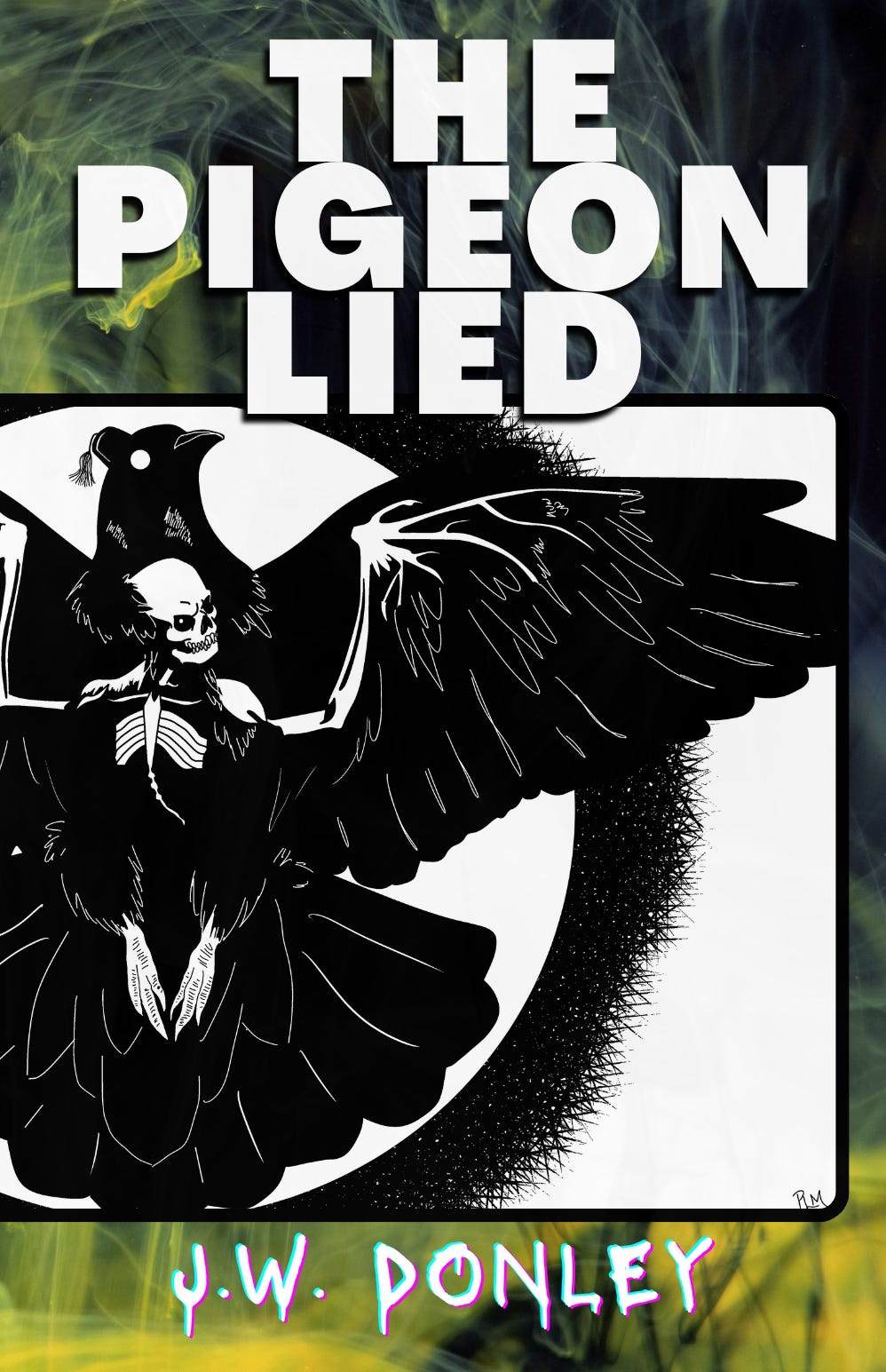
Through Dark Forest Press I have published The Pigeon Lied as its own novelette. This is a story I started writing before the pandemic. It was originally published as part of HOWLS from Hell: A Horror Anthology in 2021.
Now you can get your own ebook copy of The Pigeon Lied exclusively from Amazon for the next 90 days, then anywhere ebooks are sold after that. Also, the only way to get a physical copy is much like the Scattered zine. You can only get it by hunting me down in person or purchasing direct from DarkForestPress.com.
Buy now at:
or
Get your copy today!
Next is just a reminder.
Since this blog has been re-branded to focus on my authorial and author services, if you still would like to follow the updates from Dark Forest Press, you’ll need to sign up for the brand new Dark Forest Press Newsletter of DOOM!
The Dark Forest Press Newsletter of DOOM!
Follow to stay up to date with all DFP happenings.
Find That Critique Group
Let’s be real for a moment. Unless you are some sort of savant, all beginning writers need to learn a few things before attempting to get their work published. Yes, you can submit your work over and over to anthologies and to publishing houses and collect piles upon piles of rejection emails. But, almost of none of those rejections will come back with any actionable feedback. It is hard to know what you don’t know, especially when you are just starting out
Of course, you can hire someone like me to do a developmental edit. But, ideally going to a hired editor should be a couple more steps down the line.
First, you gotta learn the ropes.
One way to go about this is to grab a handful of books on writing. Really, any of them will do. Just pick a couple different authors. There’s something out there for all types of writers. One of my favorites is Stephen King’s On Writing. King manages to inspire every time I pick this one up. But, be wary. His writing practice of thousands of words every morning is not practical for everyone. Also, pick up something which focuses on more formulaic stuff like Save the Cat! Writes a Novel. These sorts of books may feel like they strip away some of the mystery of storytelling, but there’s more to it. In these are great explorations showing you how your favorite stories function and can give insight into problems with plot and pacing.
Genres (like horror, fantasy, romance) each have there own set of writer and reader expectations. Unless you’ve internalized a swath of the genre and understand when and when not to follow its tropes, you must find books about writing in the specific genres you plan to play within.
I would also recommend something like The DIY MFA which covers a ton of basics of the writer’s life including everything from idea generation to plot and characterization to how to socialize in writer circles. This leads us to the next and very important step in any writer’s development.
You must join a critique group. I wish I could say this is optional. And I guess it is, but it will take you so much longer to learn all of the pitfalls and the ins and outs of being a writer. Participating in a critique group is like hitting fast forward on your development at being a writer. Why? Because nothing will teach you more about how to be a good writer than analyzing the work of your peers. I guarantee you that there is a group of folks somewhere near you looking for other new writers and this is where you will make your first real connections with others who do this crazy thing called writing for the love of it. Heck, it doesn’t even have to be in person. There are online communities for this same purpose, though I don’t feel like it is quite the same, at least not for your first critique experiences. It is important to really meet up a couple times a month and really talk through stuff in person.
I used to run one of the fiction critique groups at a local book shop. It was wonderful. I learned so much about the craft in the time I spent there. And I met many long time friends. We worked with people at all levels of writing in the group, and I learned just as much when critiquing work that was ready to submit for publication as I did critiquing work that was not quite as polished. In working with the writing of others and talking through how they may improve that work, you will also learn how to improve your own writing. You will find solutions to your own problems in the helping of others. Plus, a critique group is a fast track education in all levels of editing fiction.
Eventually you will reach a point when you will outgrow some groups. And that is perfectly okay. It is important that you continue to learn new things for as long as you are in the group. Once that is no longer the case, it is time to move on. This could be to another group with new people who are also at your new, more advanced level of writing.
Or, it could be time to consider hiring a professional editor like me to take a look. The important thing is that you did your time in the trenches. You learned the ropes and now have eliminated most of the common issues which plague beginning writers. Go you! You are awesome!
So, get out there and find your people and have fun writing!
Currently Reading
- The Great and Secret Show by Clive Barker
- The Apocryphal Gospels from Penguin Classics
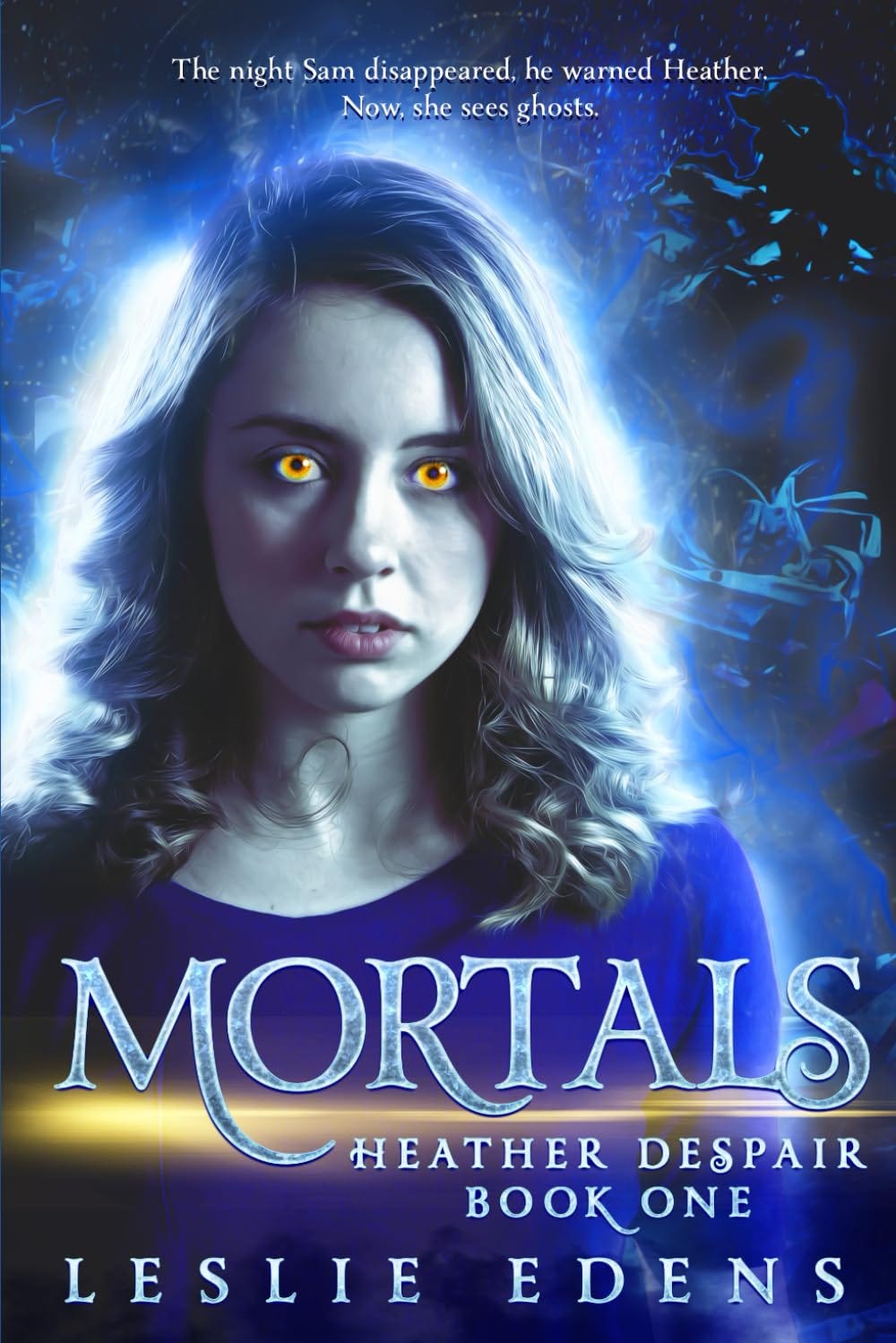
“An action packed YA adventure story with funny relatable characters in an original setting filled with ghosts and myth.”
— J.W. Donley
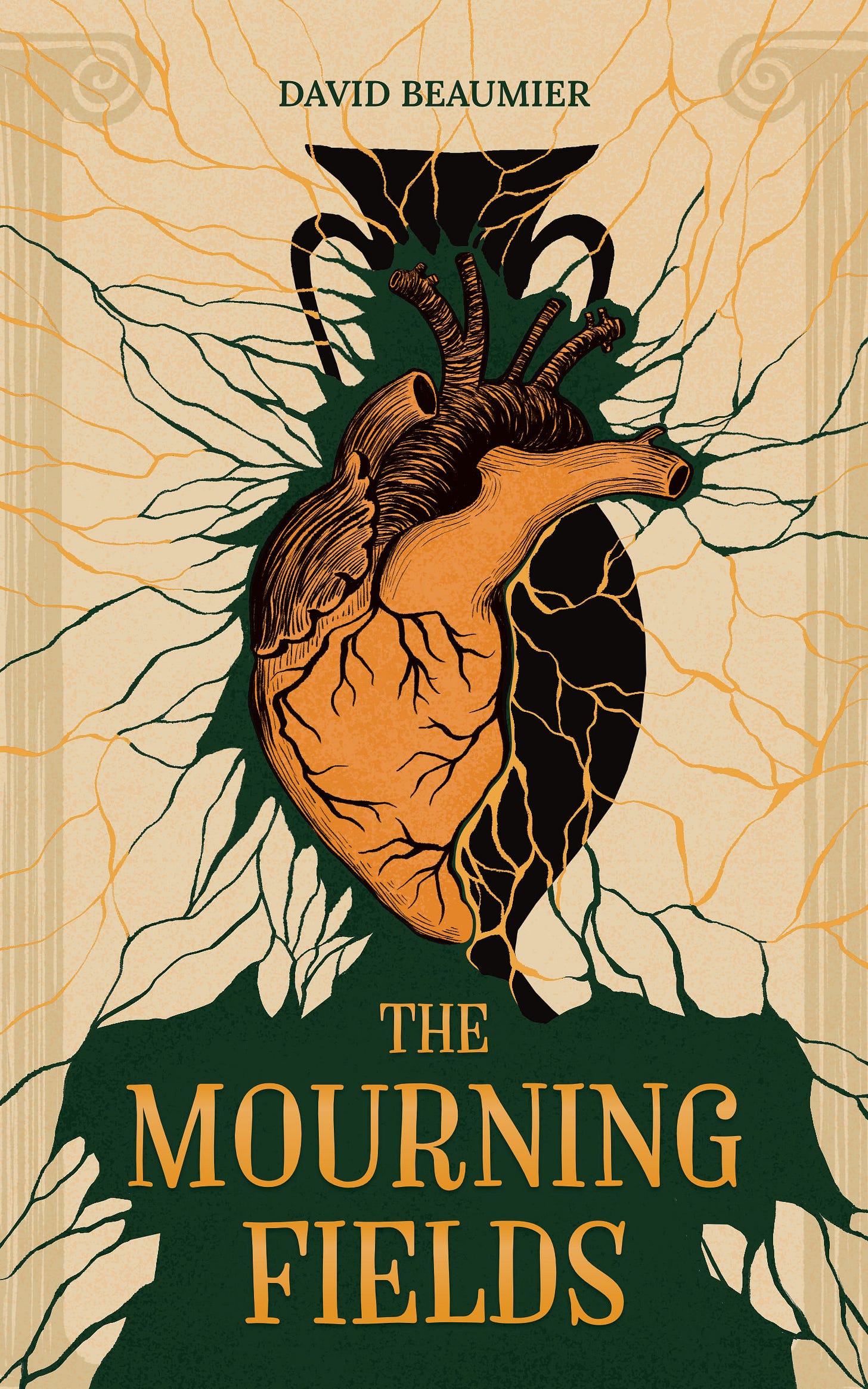
“The stories in The Mourning Fields reimagine Greek myths to address love, obsession, lust, and harm. What’s most mesmerizing about this book is its steadfast, moving undercurrent of kindness, something this world desperately needs.”
— Sharma Shields, author of The Sasquatch Hunter’s Almanac
“An unsettling, immersive, and wildly entertaining debut novel from “a major new talent!”
— R.L. Stine